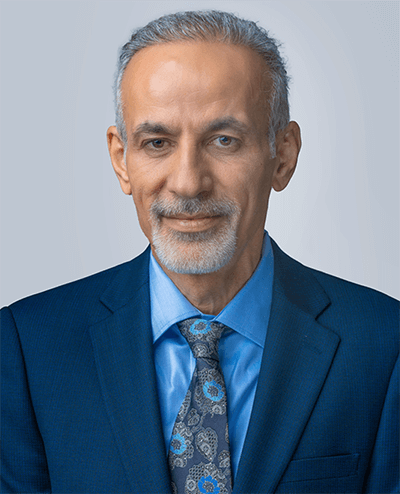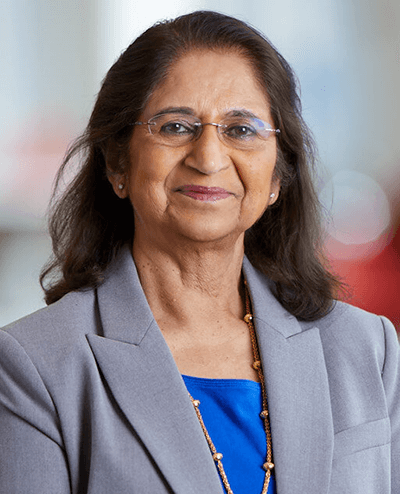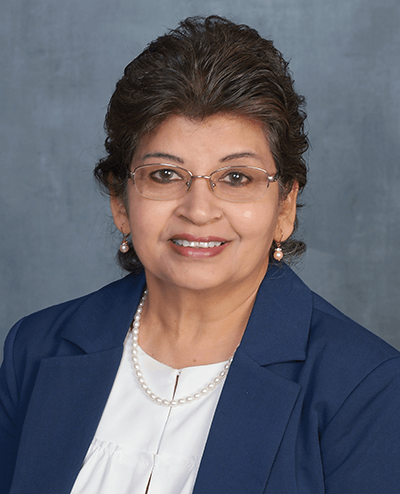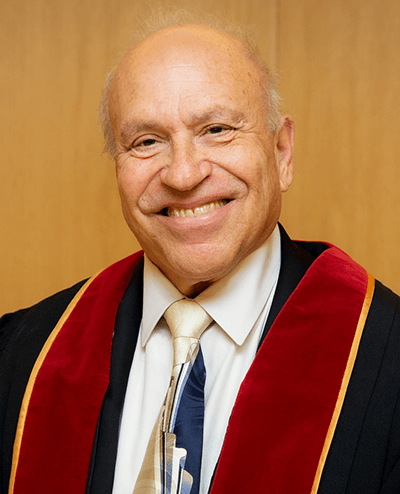

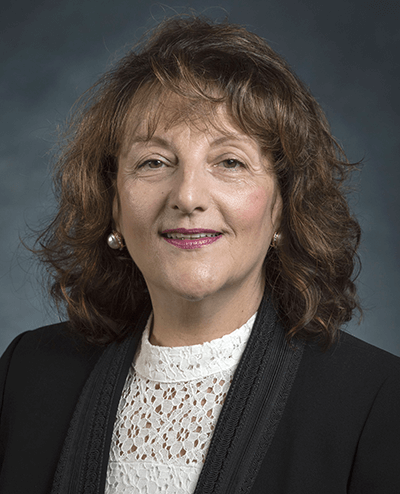
Cleopatra “Cleo” Cabuz

2025 Inductees

Cleopatra “Cleo” Cabuz, Ph.D.

Vice President of Technology and Partnerships (Retired)
Honeywell Safety and Productivity Solutions

59 U.S. Patents

Cleopatra “Cleo” Cabuz, Ph.D., is the retired Vice President of Technology and Partnerships for Honeywell’s Safety and Productivity Solutions, a $6 billion division of Honeywell International. In this role, she was instrumental in steering the division’s advanced technology portfolio, accelerating innovation, and fostering strategic partnerships. Prior to this, she served as Vice President of Engineering and Chief Technology Officer for Honeywell’s Industrial Safety business. Over her 23-year tenure at Honeywell, Dr. Cabuz progressed from Principal Research Scientist in Honeywell Corporate Labs to various leadership roles, consistently driving technological advancement.

With a career spanning both industry and academia, Dr. Cabuz has made significant contributions to engineering research, capability development, and leadership. Her work on Micro-Electro-Mechanical Systems (MEMS) actuators led to the invention of a new family of ultra-low-power, cost-effective, polymer-based electrostatic actuators with rolling contacts. These innovations have been pivotal in developing valves, pumps, and artificial muscles used in advanced medical technologies. Notably, her design of rolling contacts reduced actuation voltage requirements while enhancing displacement and stability. Her extensive patent portfolio includes groundbreaking structures such as the Dual Diaphragm Pump, Active Surfaces, and the Artificial Muscle.

Dr. Cabuz’s research also extended into integrated systems for chemical and biological analysis. She led multidisciplinary teams in developing and demonstrating systems like the MesoSniffer, a portable landmine detection device, and the Micro Cytometer for blood analysis. She invented and demonstrated the first handheld flow cytometer capable of performing complete blood counts, a test conducted approximately two billion times annually worldwide. Her innovations in miniaturized flow cytometry, including disposable cartridges, laid the foundation for the ImmuneIQ product line, enabling point-of-care diagnostics for immune diseases.

Dr. Cabuz holds 59 U.S. patents. In 2017, she was elected to the National Academy of Engineering for her contributions to sensors, MEMS technologies, and the development of industrial and safety products. She served as Executive Director of the MEMS Industry Group from 2003 to 2005 and is an elected Senior Member of the Institute of Electrical and Electronics Engineers (IEEE). Her numerous honors include Honeywell’s 2000 Technical Achievement Award, the 2003 Lion’s Award, and the 2011 Velocity Product Development Award. She is an inductee of both the MEMS Industry Group Hall of Fame and Honeywell’s Inventor’s Hall of Fame. In 2018, Newsweek Romania recognized her as one of the “Top 100 Romanians from Abroad” during Romania’s Centennial celebrations.

Dr. Cabuz holds an M.S. in Electronics from Politehnica University of Bucharest in Romania and a Ph.D. in Mechatronics/Microsystems Engineering from Tohoku University in Japan.

A MENTION ABOUT INVENTION – 3 Questions for the Inventor

Q1. Of your patents/inventions, which one is your favorite and why?

My preferred invention is Patent US-6597438-B1, Portable Flow Cytometry, an instrument capable of providing a complete blood cell count from a single drop of blood, in a portable format.

“A portable or wearable cytometer that can be used at remote locations, such as in the field or at home. The flow cytometer of the present invention may help improve the healthcare of many weak, sick, or elderly people by providing early detection of infection. By detecting infection early, it may be more readily treatable. In military applications, the portable cytometer of the present invention may help save lives by providing early detection of infection due to biological agents.”

The first working prototype of Dr. Cabuz’s first invention, a portable flow cytometer.

This invention holds particular significance for me. My father was a hematologist who established the first transfusion center in our part of the country, back in Romania. I grew up looking through the microscope as he identified and counted different cells, and I loved seeing their various shapes and colors. However, I did not want to go to medical school. I was determined to study math and physics and to become an engineer and scientist. Even so, I always looked for opportunities to apply engineering to medicine. The cytometer allowed me to do just that, applying my skills to the very same field my father worked in. It was an incredible feeling, as if I had met my destiny.

Pictured here is Dr. Cabuz with the Hematology Lab personnel at the Center for Blood Transfusion, Suceava, Romania, 1960.

Q2. What inspired you to become an inventor/innovator?

From a very early age, I exercised a natural inclination toward introspection and self-evaluation. What do I like? What don’t I like? What do I do with ease and pleasure, and what do I not? Where am I better than others, and where am I not? Nobody pushed me to think this way; it came naturally.

As a child, I would not do things I truly did not care for. I realized how much I love finding new solutions to problems—whether they were math problems or life problems, like figuring out how to get back into our second-floor condo when the door shut behind me.

By secondary school, it was absolutely clear to me that anything requiring only the reproduction of notions would give me no pleasure or interest whatsoever. It had to be something new, different, hard, and challenging.

This is why I signed up for electronic engineering at a time when, in my hometown, people hardly even knew what electronics meant. Family members and teachers tried to convince me to go to medical school or to study physics or chemistry to become a teacher. I was adamantly opposed to anything other than electronics, with a clear focus on research.

Q3. What is your process when developing new inventions/innovations?

My inventions have always started with real problems that needed to be solved. I then identify concepts and technologies that might be leveraged to address the problem, and from there, I stretch these capabilities into uncharted territory—daringly combining them with unique materials, configurations, and electronics.

Michael P. Francis

2025 Inductees

Michael Francis

Michael P. Francis, Ph.D.

Associate Professor of Orthopedic Surgery and Sports Medicine
University of South Florida Morsani College of Medicine
CEO, Asante Bio

40 U.S. Patents

Michael P. Francis, Ph.D. is an Associate Professor of Orthopedic Surgery and Sports Medicine at the University of South Florida’s Morsani College of Medicine. He is also the CEO and founder of Asante Bio, a Florida-based biomanufacturing company focused on advancing regenerative medicine and orthopedic medical devices.

Over the course of his career, Dr. Francis has made transformative contributions to the field of regenerative medicine and musculoskeletal health, developing, patenting, and commercializing numerous innovations that are used in the treatment of common orthopedic and spinal conditions. His groundbreaking work includes the invention of bioengineered implants and regenerative biomaterials, which have significantly advanced the treatment of conditions such as rotator cuff repair, spinal fusion, ACL regeneration, and pediatric musculoskeletal disorders. These technologies are used by hundreds of clinicians and have benefited millions of patients, improving surgical outcomes and enhancing quality of life. Among his most notable commercialized inventions are Tapestry™ for rotator cuff regeneration and ActiBraid™ for ACL repair, both now considered industry standards.

As co-founder and Chief Scientific Officer of Embody, Inc., Dr. Francis developed groundbreaking technologies, including the first-ever microfluidic collagen suture and electrospun orthopedic implants. These technologies represent significant advancements in the field of musculoskeletal repair, with wide-reaching clinical implications for millions of patients annually. In 2023, Embody was acquired by Zimmer Biomet for $275 million, one of the largest recent exits in the life sciences sector.

Beyond his technical expertise, Dr. Francis has demonstrated exceptional leadership in advancing biomedical research and entrepreneurship. His work has brought together cutting-edge research, patenting, commercialization, and venture funding to produce practical, life-saving medical solutions. Notably, Dr. Francis’ innovative research has secured more than $30 million in private funding and over $25 million in federal grants, enabling the development and commercialization of next-generation biomedical technologies. He is actively involved in national and international standards committees and lectures widely on inventorship, entrepreneurship, and biomanufacturing.

Dr. Francis holds 25 U.S. Patents and is a Fellow of the American Institute for Medical and Biological Engineering (AIMBE). He also serves on various advisory boards and committees, contributing to the advancement of medical technologies and standards.

Dr. Francis received a joint Ph.D. from the University of Virginia, Charlottesville and Virginia Commonwealth University, Richmond in Pathology & Molecular Medicine. He went on to complete his post-doctoral training in Biomedical Engineering & Regenerative Medicine at LifeNet Health Institute for Regenerative Medicine.

A MENTION ABOUT INVENTION – 3 Questions for the Inventor

Q1. Of your patents/inventions, which one is your favorite and why?

Among the many technologies I’ve had the privilege of bringing to clinical use, the TAPESTRY™ biointegrative collagen microfiber implant stands out as particularly meaningful. Evolving from my doctoral work in electrospun, collagen-based orthopedic implants, TAPESTRY™ was engineered to regenerate tendons and ligaments by replicating the highly organized extracellular matrix of native musculoskeletal tissue. It represents the culmination of decades of translational research across collagen, biopolymers, regenerative medicine, orthopedics, and biomechanics—bioengineered into a single, elegant device with broad clinical application.

A key challenge we overcame was scaling safe chemistries for human use. Electrospun, collagen-based devices had long faced barriers to clinical translation. My new benign chemistries and high-output engineering inventions, combined with my team’s R&D execution excellence, solved these decades-old problems.

What further distinguishes TAPESTRY™ is its journey from fuzzy concept to wide clinical adoption. It was developed through more than $20 million in grant funding I was gratefully awarded from DARPA, the Air Force, Army, and NIH, and commercialized through Embody Inc., a company I co-founded and served as Chief Scientific Officer. TAPESTRY™ received FDA clearance and over $30 million in angel and venture investor support before being acquired by Zimmer Biomet in a $275 million total deal—helping expand access to the transformative technology my team built.

Today, my patented inventions continue to improve outcomes in rotator cuff, Achilles tendon, and other soft-tissue repairs. The impact on patient mobility and quality of life underscores the transformative potential of regenerative medicine and next-generation orthobiologics. I remain deeply grateful for the role that federal grant funding has played in translating high-need, high-value technologies into clinical reality. I continue to advocate for sustained federal funding support through my service as a Fellow of the American Institute for Medical and Biological Engineering (AIMBE) and through the National Academy of Inventors (NAI) chapter at the University of South Florida (USF).

Q2. What inspired you to become an inventor/innovator?

My journey as an inventor began with a fascination for how biology and engineering could converge to heal the human body. From early studies in biology, genetics, and the philosophy of science to advanced training in stem cells, biomaterials, and tissue engineering, I became driven by a conviction to help create impactful medicine and witness its benefits within my lifetime.

As both a serial entrepreneur and a serial sports medicine patient, I’ve seen the urgent need for better solutions firsthand. This personal experience, along with extensive exposure to patients with limited treatment options, continues to fuel my mission to restore function, reduce musculoskeletal injury–related suffering, and improve human longevity and healthspan.

Outside the lab, I’ve always found joy in building. My garages are filled with tools and tech—classic cars in resto-modification, GaN FET and tube amplifiers I’ve hand-built, and custom software and LLMs I’ve developed simply for the challenge. Many of these ventures crash and burn (literally and figuratively), but the creative process—the pursuit itself—keeps the energy and ideas flowing.

On a personal note, my family has been instrumental in shaping my path. My mother, Susan, worked in medicine and filled our home with advanced medical texts that sparked my early passion for science and further inspired me with her boldness and success in entrepreneurship. My loving and talented father, Thomas, an electrical engineer, instilled in me a love for engineering, logic, and critical thinking. My grandfather, Joseph, taught me unbounded curiosity and resilience—though my grandmother might have called it stubbornness. And my wife, Anna, along with our children, Aurora and Andrew, continue to inspire me to create a better future—and, hopefully, pass along the spark.

Q3. What is your process when developing new inventions/innovations?

Begin with the end in mind. I anchor invention in a clear clinical need and target a solution that is not only technically sound but also imminently manufacturable, regulatory-aligned, scalable, and economically viable. It all starts with deep engagement with surgeons and other healthcare providers to define unmet needs. Team building is also key—bringing together scientific talent, clinical advisors, and regulatory, quality, and commercial leads early in the process helps focus the grand vision on the highest-impact, highest-value innovations in the end.

Creatively, my process draws from the crossroads of science fiction, nature, and cross-industry adaptation. For example, the 3D bioprinting in The Fifth Element and Westworld directly inspired my collagen microfiber implants, such as ActiBraid™. Through my new startup, Asante Bio, I recently repurposed industrial filament winding—typically used in spacecraft hulls, helicopter blade manufacturing, and carbon fiber bike production—to manufacture ultra-strong, collagen-based scaffolds for orthopedic applications. Even plant burrs stuck to my Hoka shoes inspired a new patented solution to prevent suture pull-through in tendon repair.

At a deeper level, many of my best ideas arrive during nature hikes, bike rides, music sessions, or moments of mental detachment—whether on vacation, at a conference, or while helping others tackle their challenges. Getting “out of the building” and adopting a Zen Buddhist-like mindset—a “still mind”—is central to my creative process. It’s about not overthinking, but instead getting hands-on, experimenting, and learning quickly by making and breaking things.

Joseph Iannotti

2025 Inductees

Joseph Iannotti

Joseph Iannotti, M.D., Ph.D.

Chief Research and Academic Officer
Lang Family Endowed Chair of Orthopaedic Research
Cleveland Clinic Florida
Professor of Surgery and Biomedical Engineering
Case Western Reserve University Cleveland Clinic Lerner College of Medicine
Affiliate Dean and Professor, Orthopaedic Surgery
Florida International University School of Medicine

89 U.S. Patents

Joseph P. Iannotti, M.D., Ph.D., is the Chief Research Officer, Chief of Staff, and Academic and Innovations Officer, and holds the Lang Family Endowed Chair of Orthopaedic Research at Cleveland Clinic Florida. He also serves as a Professor of Surgery and Biomedical Engineering at the Cleveland Clinic Lerner College of Medicine at Case Western Reserve University and as an Affiliate Dean and Professor of Orthopaedic Surgery at Florida International University’s Herbert Wertheim College of Medicine.

An internationally recognized pioneer and leader in orthopedic surgery and musculoskeletal research, Dr. Iannotti has made transformative contributions to the field through more than four decades of clinical practice, translational research, and academic leadership. As a physician-scientist, he has combined clinical expertise with foundational research in biomechanics, cell biology, and biomedical engineering to develop groundbreaking technologies that have redefined the standard of care in shoulder arthroplasty, including tendon repair and tissue engineering, prosthetic design, pre-surgical planning software, and patient-specific instrumentation.

Among his most transformative contributions is the development of 3D CT-based pre-operative surgical planning software and patient-specific instrumentation (PSI), which dramatically improved the precision and outcomes of shoulder replacement surgery. His patented “virtual vault” model became the global gold standard for assessing shoulder anatomy and selecting optimal implants. The technology was first used clinically at the Cleveland Clinic in 2009 and led to the creation of a successful startup, Custom Orthopaedic Solutions, which was later acquired by Arthrex. Today, nearly every major implant company has adopted these principles, enabling personalized surgical approaches that have improved accuracy, outcomes, and quality of life for hundreds of thousands of patients worldwide.

Dr. Iannotti’s early discoveries in shoulder biomechanics led to the design and commercialization of novel glenoid and humeral prostheses for anatomical arthroplasty. These efforts have resulted in over 40 patents, leading to more than 10 new implant systems for treating end-stage arthritis of the shoulder. In addition, he has pioneered biologic solutions for tendon repair and healing, with eight patents currently under commercial development. His most recent innovations explore non-contact PSI integrated with surgical navigation and robotics, signaling yet another leap forward in surgical precision and patient care.

Dr. Iannotti holds 89 U.S. patents and is an Active Fellow of the American Academy of Orthopaedic Surgeons and a Fellow of the National Academy of Inventors. He has received both the Cleveland Clinic Mason Sones Award for Innovation and the Cleveland Clinic Lifetime Achievement Award for Innovation. Additionally, he has been recognized by leading professional organizations, including the Charles S. Neer Clinical Science Award and the Neer Award from the American Shoulder and Elbow Surgeons. He has also held numerous leadership positions in national professional societies, such as the American Shoulder and Elbow Surgeons and the American Academy of Orthopaedic Surgeons.

Dr. Iannotti received a B.S. in Biology from Fordham University. He completed his M.D. at Northwestern University in Chicago and his Ph.D. at the University of Pennsylvania.

Hari Kalva

2025 Inductees

Hari Kalva, Ph.D.

Professor and Chair
Department of Electrical Engineering and Computer Science
Florida Atlantic University

73 U.S. Patents

Dr. Hari Kalva is a Professor and the Chair of the Department of Electrical Engineering and Computer Science at Florida Atlantic University in Boca Raton, Florida. He also serves as Director of FAU’s Multimedia Lab (mlab.fau.edu).

A distinguished expert in visual computing, Dr. Kalva’s pioneering advances focus on video compression, multimedia communication, and video analytics, with applications spanning intelligent surveillance, healthcare, and environmental conservation. He is a co-inventor of seven U.S. patents and eight international patents that have been deemed standards essential for a wide array of video technology standards. These standards include AVC/H.264 and HEVC/H.265, which power nearly every modern streaming and broadcast service in use today. Additionally, he was granted 14 US patents that have been deemed standards essential for VVC/H.266 standard, the next generation successor to HEVC/H.265.

Dr. Kalva’s innovations enable efficient video delivery across billions of devices, including mobile phones, smart TVs, Blu-ray players, and cable set-top boxes. These technologies are not merely technical milestones, they are foundational to the way the world consumes digital content. Licensed by leading manufacturers and service providers through patent licensing pools such as Via LA, Access Advance, One-Blue, PremierBD, and Uldage, Dr. Kalva’s inventions have transformed entertainment, communication, and education across the globe. From 2K and 4K cable broadcasting in Japan, to video streaming on platforms like YouTube and Netflix, his work continues to impact the global digital video ecosystem.

Additionally, Dr. Kalva co-developed the now-ubiquitous MP4 file format and pioneered the use of machine learning methods to accelerate video encoding. His ongoing work on Video Coding for Machines is contributing to the next generation of international video standards, optimized for artificial intelligence. Collectively, his inventions have enabled global access to high-quality media, helped reduce data transmission requirements by up to 50%, and supported the $150 billion digital streaming economy.

In addition to his academic and research roles, Dr. Kalva has founded two technology ventures: Flavor Software, launched in 2000 to commercialize innovations developed during his doctoral research; and Videopura, a Boca Raton-based startup focused on AI-optimized video compression. He has also served in international standards development bodies and advised government and industry partners on multimedia technologies.

Dr. Kalva holds 73 U.S. patents. He is a Fellow of the National Academy of Inventors, a Senior Member of IEEE, and a Member of the Association for Computing Machinery. He has also served as a U.S. delegate to International Organization for Standardization (ISO) subcommittees working on video compression and communication standards.

Dr. Kalva earned an M.S.C.E. from Florida Atlantic University, and he holds Ph.D. degree in Electrical Engineering from Columbia University.

A MENTION ABOUT INVENTION – 3 Questions for the Inventor

Q1. Of your patents/inventions, which one is your favorite and why?

My favorite is actually my very first patent, developed during my Ph.D. work at Columbia. It focused on efficiently representing multimedia objects for the emerging world of internet video. What makes it special isn’t just that it became part of the ISO/MPEG standards—it’s that it introduced me to the power of collaborative innovation. Working with international standards committees, industry partners, and fellow researchers showed me that the most impactful technologies often emerge when people work together across boundaries. I’m still amazed that those early ideas found such broad use. It reminds me why I love this field: you’re solving elegant technical puzzles as part of a team, and those solutions end up shaping how people connect and communicate.

Q2. What inspired you to become an inventor/innovator?

Growing up in a small town in India in the late 1970s, I was encouraged by my parents to explore, tinker, and build using whatever was available—spare parts, scrap metal and wood, leather from worn-out sandals, and even kitchen tools. I don’t remember ever being scolded for breaking things—maybe I never did! I was also inspired by watching my father creatively fix things around the house and seeing that there’s always a way to make something work. That early freedom to experiment sparked a lifelong love of problem-solving. Later, in graduate school, I discovered that ideas could be patented and used to solve real-world challenges. That realization shaped my path as an inventor, and the same curiosity continues to drive my work today.

Q3. What is your process when developing new inventions/innovations?

Many of my ideas have taken shape over coffee and conversations. I thrive on interdisciplinary collaboration–some of my best breakthroughs have come from casual discussions with colleagues in entirely different fields or from a student asking a question I hadn’t considered. Over time, I’ve learned to recognize patterns across domains and ask questions like, “What if we applied insights from human vision to improve video compression?” or “Why couldn’t this work in reverse?” I encourage my students to cultivate that same curiosity–to observe the world around them and ask, “What if?” and “Why not?” Some of my most rewarding inventions were co–developed not just with faculty colleagues, but with students at every level–graduate, undergraduate, and even high school. Innovation is rarely a solo act; it’s a shared journey driven by curiosity, dialogue, and the occasional unexpected insight.

Nasser Kutkut

2025 Inductees

Nasser Kutkut

Nasser Kutkut, Ph.D., D.B.A.

Founder and CEO
Smart Charging Technologies, LLC
Graduate Faculty Scholar
University of Central Florida

20 U.S. Patents

Nasser Kutkut, Ph.D., D.B.A., is the founder and CEO of Smart Charging Technologies LLC, a high-tech firm based in Orlando, Florida, specializing in innovative Internet of Things (IoT) energy management solutions. He also serves as a Graduate Faculty Scholar in the Department of Electrical and Computer Engineering at the University of Central Florida and mentors emerging entrepreneurs through UCF’s Business Incubation Program.

A trailblazing innovator in energy conversion systems, battery management, and industrial IoT technologies, Dr. Kutkut has led a prolific career spanning nearly three decades. He introduced high-frequency, high-efficiency, fast, and opportunity chargers that eliminated the need for costly and time-consuming battery change-outs. These systems are deployed across thousands of facilities by Fortune 500 companies such as General Motors, Toyota, Kraft Foods, and Estée Lauder and have saved more than $140 million in operational costs while significantly enhancing workplace efficiency.

Dr. Kutkut also pioneered the industry’s first line of industrial IoT-enabled battery chargers and monitoring systems, delivering substantial energy savings and reductions in carbon emissions for clients including Amazon Air, Coca-Cola, and Walmart. He further led the development of the first cloud-based application for remote monitoring and control of industrial battery charging assets, ushering in a new era of smart, connected energy infrastructure.

Earlier in his career, Dr. Kutkut co-invented soft-switching DC-to-DC converters and high-efficiency transformer designs—technologies that have become foundational in modern power electronics. To date, more than 72,000 industrial charging systems based on his patented innovations have been deployed worldwide, saving over 7,400 megawatt-hours of energy and eliminating more than 11 million pounds of CO₂ emissions. His contributions have helped organizations improve efficiency, reduce costs, and operate more sustainably.

A serial entrepreneur, Dr. Kutkut has founded multiple high-impact ventures, including Power Designers LLC, Verdant Energy Service LLC, and Smart Charging Technologies LLC. All of his companies, including Smart Charging Technologies, are industry leaders for pioneering advances in electric vehicle charging and intelligent battery management systems.

Dr. Kutkut holds 20 U.S. patents spanning breakthrough innovations in power electronics, modular charging architectures, adaptive solar tracking, and cloud-based fleet and battery monitoring systems. In 2001, he placed among the top three in the U.S. Department of Energy’s Future Energy Challenge.

Dr. Kutkut earned a B.Sc. in electrical engineering from the Jordan University of Science and Technology, and an M.Sc. in electrical engineering from the University of Illinois at Chicago. He completed a Ph.D. in electrical engineering and an M.B.A. in management and entrepreneurship at the University of Wisconsin–Madison. He later earned a Doctorate in Business Administration in entrepreneurship and marketing from Grenoble École de Management in Grenoble, France.

A MENTION ABOUT INVENTION – 3 Questions for the Inventor

Q1. Of your patents/inventions, which one is your favorite and why?

I think U.S. Patent 7,135,836: “Modular and Reconfigurable Rapid Battery Charger” is my favorite, as it was pivotal in launching our innovations into the marketplace. This patent became the foundation of our fast-charging technology for motive power batteries, establishing our company as a technology innovator in the motive power market space.

Q2. What inspired you to become an inventor/innovator?

I would say it’s the desire to solve end-users’ problems and develop new products and solutions to address them. Being an inventor or innovator was never a goal in itself, but rather the result of creating new products and solutions through that process.

Q3. What is your process when developing new inventions/innovations?
In many cases, it begins with encountering new customer problems or pain points. In other cases, it may involve exploring new market opportunities and identifying potential product or design concepts. Either way, I typically start by researching existing solutions and identifying gaps or opportunities for improvement.

Most often, these efforts lead to innovations that are both unique and impactful. For example, our switch-on product innovations were driven by the need to reboot remote equipment when local Ethernet connections were lost or devices became unresponsive. We developed a unique solution that uses redundant cellular networks and a backup battery to ensure reliable equipment reboot capability under all conditions—eliminating costly service calls and truck rolls.


Richard McCullough

2025 Inductees

Richard McCullough, Ph.D.

President
Professor of Chemistry
Florida State University

16 U.S. Patents

Richard McCullough, Ph.D. is the 16th President of Florida State University (FSU), one of the nation’s top public research universities. With more than three decades of experience in scientific innovation, institutional leadership, and entrepreneurial ecosystem development, Dr. McCullough has guided transformative initiatives during his presidency designed to elevate FSU’s impact across Florida and beyond.

A renowned chemist, Dr. McCullough was the first to discover and develop regioregular polythiophenes, a revolutionary class of conjugated polymers that dramatically improved conductivity, charge mobility, and solubility in organic materials. This landmark method for synthesizing poly(3-hexylthiophene) laid the foundation for the field of plastic electronics and significantly advanced low-cost, flexible technologies such as solar cells, field-effect transistors, and next-generation displays.

Dr. McCullough’s pioneering research on regioregular polythiophenes also led to breakthroughs in printable electronic materials, reactive metal inks, and organic semiconductors. These discoveries advanced the field of flexible and wearable devices and contributed to the development of organic light-emitting diode (OLED) displays with thinner, more efficient, and longer-lasting organic layers. As a result of Dr. McCullough’s innovations, regioregular polythiophenes have become one of the most studied and cited materials in the field over the past two decades, contributing to further breakthroughs in flexible and low-cost electronics.

Beyond his scientific contributions, Dr. McCullough is also an experienced entrepreneur. He founded two startup companies, Plextronics, Inc., and Liquid X Printed Metals, both of which commercialized his discoveries to address real-world challenges across the technology, energy, and healthcare sectors. Plextronics was later acquired by Solvay, a global chemical company.

Dr. McCullough’s innovations extend into academia, where he has played a transformational role in building innovation ecosystems at leading research institutions. At Carnegie Mellon University, he launched the Greenlighting Start-ups Initiative, a comprehensive program that dramatically increased university spinouts and technology transfer activity. At Harvard University, he helped spearhead Landmark Bio, a $100 million multi-institutional initiative designed to catalyze biomedical research and biomanufacturing at scale. At FSU, Dr. McCullough spearheaded the creation of FSU Health, a sweeping initiative to transform healthcare delivery, education, and biomedical research in North Florida. His leadership helped secure $98.4 million in Triumph Gulf Coast funding for new aerospace and advanced manufacturing facilities in Panama City, generating significant economic impact for the region.

Dr. McCullough holds 16 U.S. patents. He is a Fellow of the National Academy of Inventors and in 2021, he was inducted into the Advanced Materials Journal Hall of Fame. He is also the recipient of the Carnegie Science Center Award for Excellence as a Start-Up Entrepreneur.

Dr. McCullough received a B.S. in Chemistry from the University of Texas at Dallas. He went on to complete a Ph.D. in Organic Chemistry at Johns Hopkins University and a postdoctoral fellowship at Columbia University.

A MENTION ABOUT INVENTION – 3 Questions for the Inventor

Q1. Of your patents/inventions, which one is your favorite and why?

My first patent, “Method of forming poly (3-substituted) thiophenes,” is my favorite because I think it had the most impact on science and innovation and really opened up new fields for inquiry. We discovered a very simple way to make regioregular polythiophenes by a new method that had never been used before. It was very simple, very easy, didn’t require low temperatures and basically provided a method to manufacture electronic plastics for the first time on a scalable level. This breakthrough led to a host of discoveries in my lab related to printable electronics. Regioregular polythiophenes have since become one of the most extensively studied conductive polymer materials in the world.

Q2. What inspired you to become an inventor/innovator?

My favorite part of science is to create new things. With chemistry, you can create molecules and materials that have never existed. It’s profound and humbling to design new materials that could advance and impact society. I wanted to design a material that would have very high electrical conductivity, very high mobility, and excellent electronic properties. It also needed to be easy to make and process to create plastic films and produce in large quantities. That had not been done before, and it was a big challenge.

Q3. What is your process when developing new inventions/innovations?

My process is to start by thinking about what problem I’m trying to solve. Two-thirds of my patents are the result of trying to understand how to make a plastic material that conducts electricity, has great electronic properties, and would be easy and cheap enough to make but also have the performance needed for various applications. To solve the problem, I had to design a molecule to optimize its electronic properties. I knew the polymer had to be as flat as possible, but it also had to be soluble. I made a drawing of what we wanted the polymer to look like, and then we had to go back and figure out synthetic ways of making that material. I found that to be a lot of fun. My process with my patents on making metal alloys from molecular inks was similar. It starts by trying to figure out what the end piece will be.

Sumita B. Mitra

2025 Inductees

Sumita Mitra

Sumita B. Mitra, Ph.D.

Professor, Institute for Advanced Discovery & Innovation
University of South Florida
Partner, Co-Owner
Mitra Chemical Consulting, LLC
Corporate Scientist, Retired
3M

100 U.S. Patents

Sumita Mitra, Ph.D. is a Professor in the Institute for Advanced Discovery & Innovation at the University of South Florida. She is also Partner and Co-Owner of Mitra Chemical Consulting LLC, an independent firm she co-founded following her retirement from 3M Company. At 3M, she served as a Corporate Scientist in the Dental Products Division for over 30 years, leading pioneering efforts in the development of advanced dental materials.

An internationally recognized pioneer, Dr. Mitra innovated groundbreaking applications of nanotechnology to dental composites advancing both clinical practice and material science, and enabling the creation of products that have improved dental outcomes worldwide. Most notably, her innovation, 3M™ Filtek™ Supreme Universal Restorative, introduced in 2002, marked a major advancement in restorative dentistry. It was the first to use a novel class of nanoparticle composites that combined superior aesthetics with exceptional mechanical strength and durability. Prior to this breakthrough, dental composites were limited by issues such as shrinkage, poor polish retention, and reduced strength over time. Since its launch, Filtek™ has been used in well over one billion restorations globally, a testament to its transformative impact. Dr. Mitra’s visionary work also contributed to revolutionary technologies in resin-modified glass ionomers, and led to other breakthrough products including Vitrebond™, Vitremer™, RelyX™ Luting Cements, Scotchbond™ Multipurpose, and APC™ Orthodontic Adhesive.

Dr. Mitra was the first to create and introduce a stable, high-load nanocluster filler system. By engineering these nanoclusters, she and her team enabled significantly increased filler loading without compromising viscosity or workability. This innovation allowed clinicians to place and sculpt composites with greater ease while delivering long-term mechanical performance in the oral environment. Her work also had a transformative effect on adhesive technology in dentistry, contributing to materials that bonded more effectively to tooth structures and maintained their bond over time. These innovations not only set new benchmarks in the industry, but also enabled restorative procedures to become less invasive, more reliable, and longer lasting.

From 1999 to 2010 she served as the Industrial Directore of Minnesota Dental Resarch Center of Biomechanics and Biomaterials at the University of Minnesota. Since 2015 she is a member of the Association of Senior Professionals at Eckerd College (ASPEC) in St. Petersburg, Florida which is dedicated to lifelong learning where she co-chairs a forum on “Science and Society” and interacts with faculty and students.

Dr. Mitra holds 100 U.S. patents. She is a Member of the National Academy of Engineering and a Fellow of the National Academy of Inventors. She was inducted into the National Inventors Hall of Fame in 2018 and received the prestigious European Patent Office Inventor Award in 2021. Her other honors include the American Chemical Society Heroes of Chemistry Award, the Peyton-Skinner Award for Innovation in Dental Materials, and the Hollenback Memorial Prize from the Academy of Operative Dentistry.

Dr. Mitra received a B.Sc. in Chemistry from Presidency College in India, an M.Sc. in Organic Chemistry from the University of Calcutta, and a Ph.D. in Organic/Polymer Chemistry from the University of Michigan.

A MENTION ABOUT INVENTION – 3 Questions for the Inventor

Q1. Of your patents/inventions, which one is your favorite and why?

Each of my more than one hundred patents stems from an invention aimed at solving a specific problem and delivering a solution needed to make a product. So, choosing a single favorite is not easy—they each represent a unique scientific challenge and achievement. That said, the inventions I find most intellectually gratifying are those that succeeded despite being initially labeled “technologically impossible.” Overcoming that kind of skepticism—and proving that innovation can defy boundaries—brings both deep satisfaction and, often, a quiet smile. 

If I were to highlight one set of inventions for their combined technical difficulty and global impact, it would be the three patents that led to the development of nanoparticle-filled dental composite materials. These breakthroughs fundamentally transformed the field of restorative dentistry. What makes these inventions especially meaningful to me is not only their scientific merit but the collaborative journey behind them. The work brought together a team of exceptionally talented scientists and engineers from diverse disciplines, alongside practicing dentists whose insights were crucial in ensuring clinical relevance. It was a privilege to conceive the initial idea, lead the effort, and witness firsthand the dedication and diligence of everyone involved. 

The path was not without major challenges, but seeing how these materials have improved dental care for millions of people around the world makes every step of that journey profoundly worthwhile. 

Sumita Mitra, nominated for the European Inventor Award 2021 in the category Non-EPO countries

Q2. What inspired you to become an inventor/innovator?

Growing up in the northeastern frontier region of India, at the foothills of the Himalayan Mountains, I developed an early fascination with nature and an innate curiosity about how things work. As a child, I sometimes visited my father, a chemist working in a plywood factory, and spent time in his laboratory as he developed new technologies and scaled them up for manufacturing. Watching him at work, I became captivated by the idea of transformation—how raw materials could be turned into something entirely different and useful. 

I was particularly intrigued by the inherent differences between materials— for example, what made paper different from pencil, or skin different from hair. I wanted to understand not only how things worked, but how they could be improved or made more efficient. This early curiosity led me to the realization that chemistry lies at the core of material behavior and innovation, and I quickly developed a deep passion for the subject. 

With encouragement from my parents, I pursued science, specializing in chemistry, and eventually moved to the United States to complete my Ph.D. in the field. I was fortunate to build a career as an industrial chemist, where I dedicated myself to developing groundbreaking, new-to-the-world materials that have transformed the field of restorative dentistry. These innovations have redefined how dentists approach tooth repair and restoration—offering more durable, aesthetic, and biocompatible solutions, and ultimately improving outcomes for patients around the world. 

Q3. What is your process when developing new inventions/innovations?

Innovation—the practical realization of an invention—is rarely a linear path. For me, it always begins with a clear vision of the end goal: What is the problem I am trying to solve, and why is it important? Once that purpose is well-defined and worth pursuing, I focus on identifying scientific solutions, often found at the intersection of multiple disciplines. 

Recognizing that no one person can master every field, I’ve always made it a priority to collaborate with individuals whose expertise complements my own. These collaborations have consistently accelerated the problem-solving process and opened up new possibilities. I also love to teach others –  whether it is students in a classroom or colleagues in the lab – since I learn more thoroughly when I teach. Equally important is the environment in which innovation takes place. Early in the process, I seek out knowledgeable sponsors and supportive settings where ideas can grow into meaningful innovations—solutions with real-world impact and economic value. 

I’ve also learned that breakthrough innovations can come with their share of roadblocks. When faced with a technical impasse, my approach has been to pause, reflect deeply, and be open to taking a different path. Nature has often been my guide. For instance, when developing nanoparticles for dental composite materials, I drew inspiration from the clustered form of grapes. This led to the idea of nanoclusters, which ultimately helped overcome the challenge. Invention and innovation require not only scientific rigor and curiosity, but also creativity, collaboration, and the willingness to adapt. 

Subhra Mohapatra

2025 Inductees

Subhra Mohapatra, Ph.D.

Professor, Molecular Medicine
University of South Florida
Research Career Scientist
James A. Haley Veterans Hospital

27 U.S. Patents

Subhra Mohapatra, Ph.D., is a Professor of Molecular Medicine at the University of South Florida (USF) Morsani College of Medicine and a Research Career Scientist at the James A. Haley Veterans’ Hospital in Tampa, Florida. She is also the co-founder of Transgenex Nanobiotech, a company focused on cancer stem cell-targeted therapeutics, and the co-founder of Agile Diagnostics (ADX), Inc., which develops rapid diagnostic technologies.

With an interdisciplinary background in chemistry, immunology, and molecular engineering—and a career spanning more than 25 years—Dr. Mohapatra has built a world-class research program at USF and the VA. Her work has significantly advanced cancer research, regenerative medicine, and neurotherapeutics, helping shape the evolving landscape of precision medicine. Most notably, Dr. Mohapatra’s pioneering nanofiber-based tumoroid culture systems—including tumor-on-a-disc and the four-dimensional perfused tumor-on-a-chip technologies—have revolutionized how cancer is modeled in the lab, offering new hope for personalized treatments. These platforms allow for the growth of patient-derived tumors that retain the genetic and pathological features of the original cancer, enabling precise testing of therapies tailored to individual tumor profiles.

In addition to transforming translational bench-to-bedside cancer research, Dr. Mohapatra’s scientific innovations extend to complex neurological disorders and public health crises. She developed a novel nose-to-brain nanodrug delivery system with potential applications for brain tumors and neurodegenerative diseases such as Alzheimer’s, Parkinson’s, and Huntington’s disease. Her research was among the first to demonstrate how COVID-19 (SARS-CoV-2) infection may influence gene expression associated with Alzheimer’s disease, illuminating the potential long-term neurological consequences of COVID-19.

Beyond her academic research, Dr. Mohapatra is also an inventor-entrepreneur. As co-founder of Agile Diagnostics (ADX), Inc., she led the development of a game-changing, ultra-rapid detection technology that is capable of detecting viral antigens, including COVID-19, in under a minute. Unlike traditional antibody-based tests, this system boasts high sensitivity and resilience against emerging variants, with the potential to transform diagnostic access globally. She also founded Transgenex Nanobiotech to advance cancer stem cell-focused therapeutics and diagnostics, translating her discoveries into technologies that are actively shaping cancer drug development, delivery, and testing.

Dr. Mohapatra holds 27 U.S. Patents. She is an elected Fellow of the American Association for the Advancement of Science (AAAS), the American Institute for Medical and Biological Engineering (AIMBE), and the National Academy of Inventors (NAI). She has received numerous awards, including multiple VA Merit Review Awards and the prestigious Biomedical Laboratory Research and Development (BLR&D) Research Career Scientist Award in 2018. She also serves as Academic Editor for PLOS One, and she was awarded the PLOS One Editorial Board Long Service Award in 2023.

Dr. Mohapatra earned her B.S. and M.S. in Chemistry from Utkal University in India. She received a Master’s in Information Systems (M.I.S.) from McGill University in Canada and completed her Ph.D. in Immunology at the University of Manitoba.

A MENTION ABOUT INVENTION – 3 Questions for the Inventor

Q1. Of your patents/inventions, which one is your favorite and why?

Of all my patents, the one I hold dearest is the ‘tumor-on-a-disc’ platform, also known as the tumoroid platform. In fact, this innovation has evolved into a family of patents over time. 

Tumors are incredibly complex, consisting of a diverse mix of cancerous and non-cancerous cells. As a result, discovering effective anti-cancer drugs using only traditional cancer cell cultures has proven insufficient. Although this limitation has been recognized for over two decades, most existing solutions are either too complex or prohibitively expensive. 

Interestingly, this breakthrough emerged serendipitously during a completely unrelated project on stem cell differentiation. One of my graduate students discovered that when cancer cell lines or tumor biopsies were cultured on a unique nanofiber matrix, they formed three-dimensional tumor-like structures—what we now call tumoroids. 

These ‘tumor-on-a-disc’ and our enhanced ‘tumor-on-a-chip’ technologies have wide-ranging applications, particularly in i) Drug discovery, especially for resistant cancers; ii) Personalized cancer treatment, enabling the selection of the right drug and dosage for individual patients. 

This invention has laid the foundation for numerous research projects, supported the work of several graduate students and postdoctoral fellows, and resulted in 6 U.S. patents and 2 international patents (Japan and Australia) from USF and 3 patents from our company, including two pioneering ones. 

It has also attracted millions of dollars in research funding from the Florida Department of Health and the National Institutes of Health, including SBIR and STTR grants. Moreover, our efforts to market the nanomatrix for drug discovery research in Japan, India, and the U.S. have been met with great success. 

Q2. What inspired you to become an inventor/innovator?

My father was a scientist, and my mother is a social worker. From a young age, my parents noticed my curiosity—I would often take apart toys just to see how they worked, then try to put them back together. I’ve always had a natural inclination toward taking risks and never feared failure. 

My upbringing instilled in me the belief that “the whole world is one family.” This value shaped my perspective: what truly matters is not what I achieve for myself, but what I can contribute to others and to society. I credit my parents entirely for nurturing my motivation and desire to make a meaningful impact—whether social, scientific, or economic. 

I’ve also been fortunate to be surrounded by innovators, including my father and my husband, Dr. Shyam Mohapatra, a Florida Inventors Hall of Fame inductee, as well as many inspiring individuals at the USF Chapter of the National Academy of Inventors (NAI). 

I became a member of the USF Chapter of the NAI in 2003, a Senior Member in 2019, and a Fellow in 2022. Just as it’s said “it takes a village to raise a child,” I believe “it takes an innovation ecosystem” to successfully translate an idea into a product. The USF Chapter of the NAI has been a cornerstone of that ecosystem. 

Serving as Vice President of the USF-NAI in 2019–2020 and President from 2020–2022, I’ve seen firsthand the critical role this organization plays in supporting young faculty and emerging inventors. As an NAI Fellow, I’ve had the privilege of receiving guidance from other Fellows—on everything from startups and legal matters to technical and financial advice. In turn, I’m honored to offer the same support to the next generation of inventors. 

Q3. What is your process when developing new inventions/innovations?

While a few of our inventions have emerged serendipitously, my typical approach is rooted in purpose-driven innovation. I encourage my team—students and staff alike—to begin by identifying the most pressing unmet needs within a specific scientific domain. Innovation, in my view, starts with asking the right questions. 

When we encounter an unexpected observation during a project, I urge my team to pause and ask: Why did this happen? What does it mean? How can we explore it further? These questions often lead us down new and exciting paths of discovery. 

I also believe in recognizing every contributor. Anyone who plays a role in the conception of an invention is always included as a co-inventor on the patent application. Innovation is a collaborative journey, and I strive to foster a culture where curiosity, critical thinking, and shared credit are at the heart of everything we do. 

Edward Rosenthal

2025 Inductees

Edward Rosenthal, D.Sc. (h.c.)

Founder and President
Florikan ESA

7 U.S. Patents

Edward Rosenthal, D.Sc. (h.c.) is the Founder and President of Florikan ESA, a pioneering agricultural company headquartered in Sarasota, Florida. With over four decades of leadership in sustainable agriculture and controlled-release fertilizer technologies, Dr. Rosenthal has grown Florikan into a nationally recognized innovator, developing breakthrough solutions that have transformed fertilization practices for commercial growers, homeowners, and NASA scientists alike.

Dr. Rosenthal earned his bachelor’s degree from Concordia University (formerly Sir George Williams University) in Montreal, Canada.

Dr. Rosenthal’s landmark innovations in controlled-release fertilizer technology addressed a fundamental flaw in conventional fertilization: nutrient inefficiency and environmental runoff. Recognizing that traditional fertilizers often lead to significant waste and pollution, he developed Staged Nutrient Release™ fertilizer (SNR) technology, a novel system that delivers essential nutrients in sync with plant growth cycles. By encapsulating nitrogen, phosphorus, and potassium separately and blending them into custom formulas, Dr. Rosenthal created a single, efficient product tailored to plant development. This innovation has significantly reduced fertilizer use and nutrient leaching, while improving crop yield and resource efficiency, advancing both agricultural sustainability and environmental protection, particularly in sensitive ecosystems like Florida’s waterways.

A trained polymer chemist, Dr. Rosenthal also identified the potential for SNR applications in space. In 2014, he began collaborating with NASA’s Space Crop Production team to develop fertilizer formulations for use aboard the International Space Station (ISS). His contributions were instrumental in optimizing plant growth in NASA’s Veggie and Advanced Plant Habitat experiments, which now rely on Florikan fertilizers to grow leafy greens, tomatoes, peppers, wheat, and other crops. These controlled-release formulations provide precise nutrient delivery in the confined, resource-limited environments of space, offering a critical solution for sustaining life on future missions to the Moon, Mars, and beyond. Florikan’s SNR technology is now the sole fertilizer used on the ISS as part of NASA’s Veggie program.

Beyond the laboratory, Dr. Rosenthal is a certified Space Educator and passionate advocate for STEM education. He has helped bridge the gap between advanced science and classroom learning, reinforcing his role not just as an inventor, but as a visionary leader in the future of agriculture. Through partnerships with programs like the Fairchild Tropical Botanic Garden’s Growing Beyond Earth initiative, Dr. Rosenthal has empowered tens of thousands of students nationwide to engage with real-world space and agricultural science.

Dr. Rosenthal holds seven U.S. patents, and he has been recognized with numerous awards, including the National Society of Professional Engineers Award. In 2017, he and Florikan, in collaboration with NASA KSC and SATOP, were inducted into the Space Technology Hall of Fame for the development of the encapsulated Staged Nutrient Release Fertilizer. Dr. Rosenthal and Florikan were also recognized as one of NASA’s leading technology transfer innovations and were featured in two issues of NASA Spinoff magazine in 2017 and 2018. Concordia University awarded him an Honorary Doctorate in 2023 in recognition of his lasting impact on agritechnology and environmental sustainability.

Dr. Rosenthal earned his bachelor’s degree from Concordia University (formerly Sir George Williams University) in Montreal, Canada.

A MENTION ABOUT INVENTION – 3 Questions for the Inventor

Q1. Of your patents/inventions, which one is your favorite and why?

My favorite patent/invention is the Staged Nutrient Release patent—particularly the controlled release of the coated potassium (K), which improved the yield of vegetable and ornamental plants more consistently than any other fertilizer formulation in the world.

Red Romaine lettuce grown with a single application of Staged Nutrient Release 0-0-19T (100-day) blended with Florikan 14-4-14T (180-day)
Red Robin tomatoes grown with a single application of Staged Nutrient Release 0-0-19T (100-day) blended with Florikan 14-4-14T (180-day).

Q2. What inspired you to become an inventor/innovator?

I just wanted to help growers find a better, more efficient way to produce plants using environmentally sustainable methods.

Q3. What is your process when developing new inventions/innovations?

I listened to the growers and asked for their suggestions on fertilizer formulations that could improve production. Based on their input, I designed a formulation tailored to their needs. I then conducted my own field trials, applying the suggested formulation at a rate lower than the commonly used fertilizer. I personally applied the fertilizer in the research beds and collected both soil and leaf samples to monitor crop quality. In other words, from the initial idea to the patent design to the final field test, I— as the patent developer—conducted all of the field work to ensure the success of the end user and the consistent performance of the controlled-release fertilizer.

W. Greg Sawyer

2025 Inductees

W. Greg Sawyer, Ph.D.

Chief BioEngineering Officer
Chair, Department of BioEngineering
Moffitt Cancer Center

43 U.S. Patents

W. Gregory Sawyer, Ph.D., is the Chief BioEngineering Officer and Chair of the Department of BioEngineering at Moffitt Cancer Center in Tampa, Florida. Before joining Moffitt, he served as the N. C. Ebaugh Chair and Distinguished Teaching Scholar at the University of Florida, where he spent more than two decades advancing research and education in mechanical engineering, materials science and biomedical innovation.

Dr. Sawyer is an internationally recognized researcher, inventor and entrepreneur whose innovations have made transformative impacts across biomedical engineering, materials science, advanced manufacturing and aerospace. As an innovator in tribology and biomechanics, he has developed technologies ranging from space-qualified polymeric nanocomposites and low-friction materials for extreme environments to high-performance contact lenses that improve patient comfort and health. Dr. Sawyer pioneered the field of Cancer Engineering, which combines different disciplines in engineering and the physical sciences to advance the research infrastructure in both academia and industry.

In ophthalmology, Dr. Sawyer’s groundbreaking work in lubricity introduced a new paradigm in contact lens technology, defining the role of shear-stress on inflammation and discomfort. His hydrogel patents detail the science behind the creation of surfaces that significantly reduce shear stress, improve lubricity, and comfort. These innovations are now integral to contact lens design and products.

Dr. Sawyer’s work in biomaterials and biomechanics is equally impactful. His patents in prosthetics and orthopedic devices have revolutionized the design and performance of implants, often leveraging flexure mechanisms to reduce sliding and wear, significantly enhancing the durability of prosthetic joints and spinal implants.

A trailblazer in bio-manufacturing and regenerative medicine, Dr. Sawyer’s work has transformed cancer research and pioneered the field of cancer engineering. Under his leadership, his laboratory invented 3D perfusion systems that enable the preservation and culture of patient micro-tumors and micro-tissues used in precision medicine, drug screening, immuno-oncology studies, and cancer biology. His patents and inventions in freeform 3D bioprinting and multifunctional microgel materials have enabled a comprehensive suite of technologies for cancer biology and drug discovery that are used by major pharmaceutical companies and leading research universities and cancer centers across the country. These innovations led to the creation of spin-out companies, including Aurita BioScience, a Florida-based startup he founded.

Dr. Sawyer holds 43 U.S. patents. He is a Fellow of the National Academy of Inventors and recipient of the Tribology Gold Medal, the highest international honor in his field. His other honors include the BioFlorida Entrepreneur of the Year Award, and the Burt L. Newkirk and Marshall B. Peterson Awards from the American Society of Mechanical Engineers.

He earned his B.S., M.S. and Ph.D. in mechanical engineering from Rensselaer Polytechnic Institute.

A MENTION ABOUT INVENTION – 3 Questions for the Inventor

Q1. Of your patents/inventions, which one is your favorite and why?

For us, a key milestone was the first time we were able to keep patients tumors alive for an extended duration of time in 3D. This really brought in the science and the ability to have a patient avatar, take something that was a cancer from a patient and create thousands of samples that we could test, study and interrogate.

It’s essentially a test track for tumors. 

This allows us to interface more seamlessly with basic scientists that are trying to understand what makes cancer, cancer. Mathematicians and engineers trying to understand the dynamics of cancer and how it evolves, and clinicians to try to understand how this is behaving in the patient and how we can one day treat and eradicate this terrible disease.

Q2. What inspired you to become an inventor/innovator?

For me, inspiration comes from trying to solve problems. When you see a need, something that can benefit society or people or individuals, you work to try to find solutions to those problems. A lot of times there are unmet needs, which is really where I think a lot of innovation comes from. Invention is filling these unmet needs.

Q3. What is your process when developing new inventions/innovations?

My process for inventing and innovating begins with listening and observing. I believe problems aren’t handed to us. You have to go out and find where people truly need solutions. That often comes from paying attention to unmet needs and working as part of a team to address them. From there, I try to draw on both broad experiences across different disciplines and deep knowledge in specific fields.

Invention, for me, rarely comes as a single “eureka” moment. It’s usually the product of a relentless pursuit to solve a problem, lots of failures, and many iterations over time. Sometimes the most powerful ideas come from applying old science to new problems. When that happens, the result often seems simple in hindsight and I think the best technologies should feel simple and elegant rather than overly complex.