
Subrata Roy

2026 Inductees

Subrata Roy, Ph.D.

Professor, Department of Mechanical and Aerospace Engineering, University of Florida
Founding Director, Applied Physics Research Group, University of Florida
Founder and President, SurfPlasma, Inc.

36 U.S. Patents

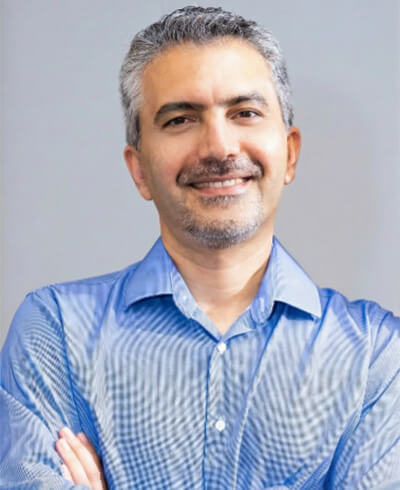
Subrata Roy is an international leader in plasma-based flow control, aerospace innovation, and microbial decontamination technology. He is Professor in the Department of Mechanical and Aerospace Engineering at the University of Florida and founding Director of the Applied Physics Research Group. Through his pioneering work in atmospheric plasma actuators, compact plasma reactors, and electrically driven air vehicles, Roy has advanced technologies with applications in aerospace systems, public health, food safety, water treatment, and space exploration.

Roy is best known for developing novel plasma actuator designs that manipulate airflow, reduce drag, improve fuel efficiency, and control turbulence. His inventions include serpentine, fan, and microscale plasma actuators for flow mixing and turbulent flow control, as well as active film cooling technologies for turbine blades and systems designed to reduce aerodynamic noise. These innovations have broad implications for aviation, transportation, and energy efficiency, helping address costly challenges related to fuel consumption, drag reduction, and aircraft performance.

His inventive work also extends to compact portable plasma reactors for microbial decontamination and sterilization. Through SurfPlasma, Inc., a Florida-based company he founded, Roy has translated laboratory discoveries into practical technologies that use plasma to destroy biological and chemical contaminants without relying on toxic byproducts. These systems have potential applications in reducing healthcare-associated infections, improving food preservation, supporting water disinfection and aquaculture, and enabling sterilization for space return missions. SurfPlasma’s Active Plasma Sterilization technology has been tested in zero gravity and is being developed for use in settings where conventional sterilization methods are limited by size, heat, power, or chemical requirements.

Roy holds 36 U.S. patents and has been named on numerous additional patent applications. The University of Florida has executed 30 license and option agreements based on his patents and patent applications, reflecting the commercial relevance and practical reach of his work. His innovations have contributed to multiple startup companies and have attracted support from federal agencies and industry partners. His research program has received more than $25 million in funding, including support for SurfPlasma.

In recognition of his contributions, Roy is a Fellow of the National Academy of Inventors, the American Society for Mechanical Engineers and a Member of the Academy of Science, Engineering and Medicine of Florida. He is also a Distinguished Visiting Fellow of the Royal Academy of Engineering, a Fellow of the Royal Aeronautical Society, and an Associate Fellow of the American Institute of Aeronautics and Astronautics. He has published more than 200 peer-reviewed journal articles and bound-volume publications and has served in editorial and leadership roles for major scientific journals and aerospace conferences.

Roy earned his Bachelor of Mechanical Engineering from Jadavpur University in India and his M.S. and Ph.D. in Engineering Science from the University of Tennessee. Through his inventions, research, entrepreneurship, and mentorship, Roy has advanced plasma technologies that address complex challenges across air, water, food, health, energy, and space systems, leaving a lasting impact on innovation in Florida and beyond.
Clara Rivero-Baleine

2026 Inductees

Clara Rivero-Baleine, Ph.D.

Lockheed Martin Fellow
Lockheed Martin Missiles and Fire Control

24 U.S. Patents

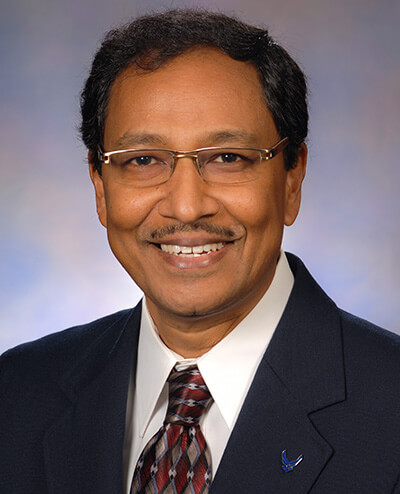
Clara Rivero-Baleine, PhD, is a Lockheed Martin Fellow at Lockheed Martin Missiles and Fire Control, where she leads advanced research in optical materials, infrared systems and next-generation sensor technologies. Over her two-decade long career, she has become a technical leader in the development of high-performance materials for national defense applications. Previously, Dr. Rivero-Baleine held multiple technical and leadership roles at Lockheed Martin, including Engineering and Technology Materials Engineering Manager and Group Technical Staff Member, where she guided research, development and transition of advanced optical technologies into operational systems.

Dr. Rivero-Baleine is a pioneering innovator in infrared-optical materials, gradient-refractive-index (GRIN) optics, and metamaterial-based coatings. She is best known for developing advanced GRIN optical materials that embed a continuous refractive index gradient within glass-ceramic structures, enabling a single, optical element to replace multiple conventional lenses. These innovations can reduce system size and complexity by up to 30% while improving performance in next-generation infrared sensing systems. Her work also includes breakthrough anti-reflective “meta-coatings” that achieve broadband transmission across wide fields of view, significantly enhancing sensor capabilities in aerospace and defense environments. These novel technologies strengthen national defense capabilities and advance the field of photonics. Dr. Rivero-Baleine holds 24 U.S. patents and has received numerous honors, including Lockheed Martin’s NOVA Award for Technical Innovation and the Advanced Materials Laureate Award from the International Association of Advanced Materials. Her work continues to shape the future of optical systems and advanced materials engineering.

Maynard “Mike” Ramsey III

2026 Inductees

Mike Ramsey

Maynard “Mike” Ramsey III, M.D., Ph.D.

Chairman and Chief Technology Officer, Cardio Command, Inc.
Founder and CEO, Ramsey Medical, Inc.

30 U.S. Patents

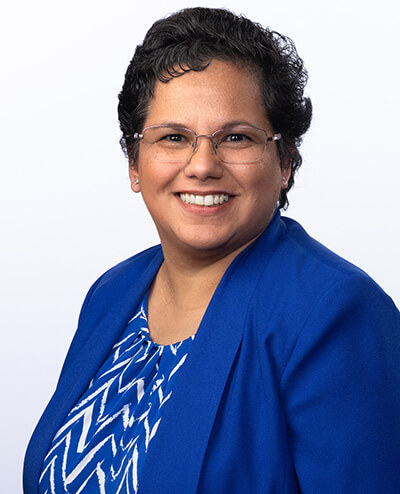
Maynard “Mike” Ramsey III is a pioneering physician, biomedical engineer, inventor, and entrepreneur whose work has transformed vital signs monitoring and medical instrumentation. For more than five decades, he has developed medical devices in Florida that have improved patient care in hospitals, physician offices, surgical suites, emergency settings, and home health environments as well as in veterinary medicine. He is best known for inventing and commercializing foundational technologies in automatic blood pressure monitoring, including U.S. Patent No. 4,349,034, widely regarded as a grandfather patent for the automatic non-invasive blood pressure monitor.

Ramsey founded Applied Medical Research, Inc. in Tampa in 1969 to develop and market invasive and noninvasive blood pressure measurement technologies. There, starting in 1975 after earning his MD and PhD in Biomedical Engineering at Duke University, he developed the Device for Indirect Noninvasive Automatic Mean Arterial Pressure…the DINAMAP, which was the first microprocessor-based medical monitor. The technology became a standard of care in hospitals worldwide, enabling clinicians to continuously and reliably monitor blood pressure during routine care, surgery, and critical medical events both in human and veterinary medicine. His work helped make automated vital signs monitoring practical at the bedside and contributed to a major shift in how patient data is gathered and used in modern medicine.

In 1979, Johnson & Johnson acquired Applied Medical Research and formed Critikon, Inc. around Ramsey’s technology in Tampa, and two other JNJ companies. As Vice President of Research and Development, and later Vice President of Science and Technology, Ramsey continued to advance multiple generations of DINAMAP patient monitors and helped expand the company’s product line into pulse oximetry, oxygen monitoring, cerebral function monitoring, electrocardiogram-integrated blood pressure systems, and bedside data management systems for hospital acute care nursing units. These innovations helped improve the speed, consistency, and accuracy of patient monitoring while supporting clinical decision-making in high-stakes environments.

Ramsey holds 30 U.S. patents across medical monitoring, pressure sensing, blood pressure cuffs, cardiac devices, medical workstations, hemorrhage control technologies, and related systems. Ramsey has continued to develop technologies for trans-esophageal atrial pacing through the Tampa-based company, CardioCommand, Inc., at which he has worked since his retirement from JNJ. He has also developed a series of portable, handheld, monitoring devices, including statMAP for human use and the petMAP series for veterinary medicine through his company Ramsey Medical, Inc. Most recently he has invented and developed “QuickCuff”, a new type of blood pressure cuff that is applied to the subject without the need for traditional wrapping with Velcro securement, and which can be easily applied to both cylindrical and tapered limbs of human and veterinary subjects. 

In recognition of his contributions to medical technology, Ramsey received the Association for the Advancement of Medical Instrumentation Lauffman-Greatbatch Prize and the Society for Technology in Anesthesia J.S. Gravenstein Award for lifetime achievement in technology in anesthesia. He was also a founding member and section author for the AAMI standard on automated noninvasive blood pressure monitors, helping guide the design and validation of the very field his inventions helped create.

Ramsey earned his Bachelor of Arts in Chemistry from Emory University and both his M.D. and Ph.D. in Biomedical Engineering from Duke University. Early in his career in Tampa, he served as Clinical Associate Professor of Pediatrics at the University of South Florida and as Director of the Hillsborough County American Heart Association. Through his inventions, companies, standards work, and decades of medical device development in Tampa, Ramsey has left an enduring legacy in patient monitoring and biomedical innovation.

Donald B. Keck

2026 Inductees

Donald B. Keck, Ph.D.

Professor, Institute for Advanced Discovery & Innovation at University of South Florida
Vice President and Research Director, Retired, Corning Incorporated

36 U.S. Patents

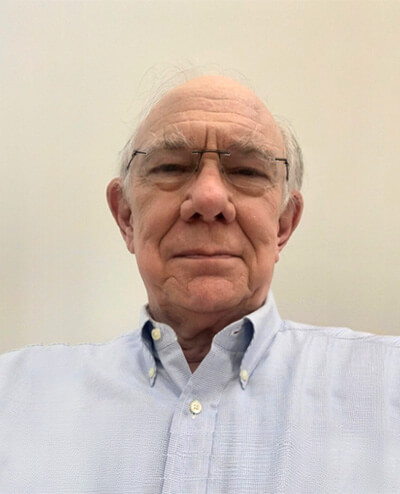
Donald B. Keck is a pioneering physicist and inventor whose work fundamentally transformed optical communications. In 1970, he together with colleagues Robert Maurer and Peter Schultz, co-invented low-loss optical fiber, a breakthrough that launched the fiber-optic telecommunications revolution and enabled the Internet. Since its discovery, Keck’s low-loss optical fiber has replaced copper wire as the principal medium for high-speed data transmission and enabled enormous increases in bandwidth, speed, reliability, and efficiency. Today, with more than 8 billion kilometers of optical fiber deployed worldwide, fiber-optic networks form the backbone of global communications, supporting the Internet, mobile communications, cloud computing, streaming media, international commerce, financial systems and critical infrastructure.

Keck retired in 2002 as Vice President and Research Director for Corning Incorporated, where he played a central role in advancing optical communications from laboratory research to widespread commercial deployment for over 40 years. Following his retirement, Keck continued to advance innovation, serving as Chief Technology Officer of the Infotonics Technology Center, and participating on the committee that recommends nominees for the National Medal of Technology and Innovation to the President of the United States. His leadership roles have included service on the congressional oversight board for the National Institute of Standards and Technology (NIST), chair of the Board of Directors for the Optoelectronics Industry Development Association (OIDA), service as a past president of the National Inventors Hall of Fame, and board membership with PCO, Inc. and the Optical Society of America.

Additionally, Keck continues to contribute to research, innovation, and mentorship through his role as Professor at the University of South Florida’s Institute for Advanced Discovery & Innovation, where he supports faculty, students, and aspiring innovators, sharing the practical insight of a career spent turning scientific discovery into world-changing technology. His mentorship and service reflect a lifelong commitment not only to invention, but to cultivating the next generation of scientists, engineers, and innovators.

Keck holds 36 U.S. patents and his research spans molecular spectroscopy, gradient-index and aspheric optics, guided wave optics, optical fiber sensing, and optical fiber waveguides and communication. Over the course of his career, he authored more than 150 scientific papers related to optical waveguides, fiber fabrication, optical couplers, polarization-retaining fibers, dispersion-managed waveguides and related technologies.

Keck is an inductee of the National Inventors Hall of Fame and a member of the National Academy of Engineering. He is a Fellow of IEEE and the Optical Society of America and has served on multiple U.S. National Research Council panels. Among his many honors are the U.S. President’s National Medal of Technology and Innovation, the U.S. Department of Commerce American Innovator Award, the John Tyndall Award, the SPIE Technology Achievement Award, and the Distinction in Photonics Award. He also received an honorary Doctor of Science degree from Rensselaer Polytechnic Institute.

Keck earned his bachelor’s, master’s, and doctoral degrees in physics from Michigan State University, where he has been recognized as a distinguished alumnus.

Donald K. Jones

2026 Inductees

Don Jones

Donald K. Jones

Chief Executive Officer
Empirilon Technology LLC

105 U.S. Patents

Donald K. Jones, an accomplished inventor, registered patent agent, and medical device innovator, has dedicated his career to advancing healthcare technologies and fostering innovation. As an inventor, he focused on developing cutting-edge medical devices aimed at improving patient outcomes and addressing critical healthcare challenges. His extensive patent portfolio – covering endoscopic suturing, embolization devices, vascular occlusion tools, and flexible endoscopic systems – has directly improved patient care by enabling safer, more effective, and less invasive procedures.

Jones began his career applying materials science and engineering to complex technical challenges before moving into the medical device industry. At Cordis Endovascular Systems and Cordis Neurovascular, divisions associated with Johnson & Johnson, he contributed to the development of advanced implantable devices for the treatment of hemorrhagic stroke encompassing aneurysms, arteriovenous malformations and fistulae. His work included embolization coils and particles, vascular occlusion devices, stent technologies, and other tools designed to help physicians treat life-threatening neurovascular conditions. 

One of Jones’s major contributions was his work on the EnterpriseTM Vascular Reconstruction Device, a stent technology developed to help physicians treat wide-necked brain aneurysms that had previously been difficult or impossible to address. The device allowed physicians to navigate the tortuous vessels of the brain through a very small catheter and provided the ability to deploy, re-sheath, reposition, and redeploy the implant before final release. This represented an important advancement in neurovascular intervention and helped change the treatment landscape for complex aneurysm cases. 

Jones later served as Director of Intellectual Property at Apollo Endosurgery Inc., where he managed and expanded the company’s intellectual property portfolio for bariatric medical devices and flexible endoscopic surgical tools used in the gastrointestinal tract. In this role, he worked closely with research and development teams and physicians to prototype, develop, and protect advanced treatment technologies. Among the notable innovations associated with this work is the OverStitchTM Endoscopic Suturing device, which enables physicians to perform full-thickness suturing in the gastrointestinal tract through an endoscopic approach. This technology has been used to treat gastric perforations, ulcerations and to perform bariatric procedures that previously required laparoscopic or open surgery. 

As a highly respected inventor, patent agent, and leader in medical device development, Jones has been granted 105 U.S. Patents and continues to push the boundaries of what’s possible in healthcare technology. 

In addition to his work as an inventor, Jones is a registered patent agent, a role that allows him to combine deep technical knowledge with intellectual property strategy. Since 2011, he has served as Chief Executive Officer of Empirilon Technology LLC, where he provides consulting services to medical device and technology clients that include patent portfolio analysis, patent strategy development, patent searching, drafting, and prosecution,  in addition to biomedical and mechanical technology development. Through this work, he has helped inventors, companies, and startups protect and advance promising medical technologies. 

Jones earned a Bachelor of Science in Materials Science and Engineering from the University of Florida, where he built the technical foundation that would guide his future work in medical device development.  His journey – from his beginnings as a cellist to his work in the medical device industry – reflects a lifelong commitment to innovation, education, and improving the human experience.

Sundaraja “S. S.” Iyengar

2026 Inductees

SS Iyengar

S. S. Iyengar, Ph.D.

Distinguished University Professor and Ryder Professor, Knight Foundation School of Computing and Information Sciences, Florida International University
Director, U.S. Army-Funded Center of Excellence in Digital Forensics, Florida International University

7 U.S. Patents

S. S. Iyengar is a pioneering computer scientist, inventor, educator, and internationally recognized leader in applied computational science, artificial intelligence, sensor fusion, digital forensics, and high-performance intelligent systems. He is Distinguished University Professor and Ryder Professor in the Knight Foundation School of Computing and Information Sciences at Florida International University, where he also serves as Director of the U.S. Army-funded Center of Excellence in Digital Forensics. Over a career spanning more than five decades, Iyengar’s innovations have advanced technologies used in healthcare, national defense, disaster modeling, telecommunications, autonomous systems, and modern computing.

Iyengar is best known as co-inventor of the Brooks-Iyengar Algorithm, a foundational breakthrough in noise-tolerant distributed control and sensor fusion. The algorithm bridged the fields of sensor fusion and Byzantine fault tolerance, providing a method for reliable decision-making across distributed sensor networks even when some data sources are uncertain or faulty. Its impact has extended to national defense systems, telecommunications, distributed computing, maritime monitoring, and critical event detection, influencing technologies used by organizations such as DARPA, NATO, Raytheon, BBN Technologies, Telcordia, Motorola, and the U.S. Navy.

His inventive work also includes technologies for healthcare, disaster resilience, and intelligent systems. Iyengar’s patented context-based algorithmic framework for identifying and classifying embedded images of follicle units has supported advances in hair transplantation and restoration, providing clinicians with improved tools for analyzing follicle distribution and planning procedures. He also played a key role in the Florida Public Hurricane Loss Model, the world’s first public hurricane loss model, which has been used extensively by the State of Florida to estimate hurricane-related damages and support disaster preparedness and risk assessment.

Iyengar holds multiple U.S. patents in areas including sensor networks, neural-network-based web page allocation, augmented reality interaction, data set request allocation, and medical image analysis. His research record includes more than 600 scholarly publications and 32 books authored, co-authored, or edited with major academic publishers, reflecting the breadth and global reach of his contributions. His work on sensor fusion and distributed systems has produced a lasting scholarly and technological legacy, including more than 5,000 publications and over 138,000 citations associated with the Brooks-Iyengar Algorithm.

In recognition of his contributions, Iyengar has received numerous national and international honors, including the IEEE Cybermatics Congress Test of Time Research Award, IEEE Computer Society McCluskey Technical Achievement Award, Fulbright Distinguished Scientist Award, IEEE Meritorious Service Award, and multiple Lifetime Achievement Awards. He is a Fellow of the National Academy of Inventors, IEEE, ACM, AAAS, AIMBE, and the Society for Design and Process Science, and a member of the European Academy of Sciences and the European Academy of Arts and Sciences.Iyengar earned his Ph.D. in Engineering from Mississippi State University, his M.E. in Mechanical Engineering from the Indian Institute of Science, and his B.E. in Mechanical Engineering from UVCE-Bangalore. Through his inventions, scholarship, mentorship of more than 65 Ph.D. students, and leadership in research and education, Iyengar has helped shape the foundations of modern intelligent systems while advancing Florida’s role in global computing innovation.

Patrick Hwu

2026 Inductees

Patrick Hwu, M.D.

President and Chief Executive Officer, Moffitt Cancer Center
Professor, Department of Oncologic Sciences, Morsani College of Medicine, University of South Florida

12 U.S. Patents

Patrick Hwu is a pioneering physician-scientist, tumor immunologist, inventor, and leader in cancer research whose work has helped shape the modern field of cancer immunotherapy. He is President and Chief Executive Officer of Moffitt Cancer Center, the only National Cancer Institute-designated comprehensive cancer center based in Florida, and a Professor in the Department of Oncologic Sciences at the University of South Florida Morsani College of Medicine. Internationally recognized for his work in tumor immunology, Hwu is best known for helping launch the field of gene-modified T cells and publishing research on the first chimeric antigen receptor directed against cancer.

Hwu’s inventions and research have advanced the development of cellular therapies that harness the body’s own immune system to recognize and attack cancer. His patented work in chimeric receptor genes contributed to the foundation for modern CAR T-cell therapy, a revolutionary approach that has reshaped treatment for certain blood cancers and continues to be studied for solid tumors. By combining antibody-like specificity with immune-cell activation, his work helped transform ordinary immune cells into targeted therapeutic agents capable of identifying and destroying cancer cells with greater precision.

His research spans cancer vaccines, adoptive T-cell therapies, immune resistance, T-cell receptor-engineered therapies, tumor-infiltrating lymphocyte therapies, and genetically engineered immune cells. His laboratory continues to develop novel immunotherapies for melanoma, pancreatic cancer, triple-negative breast cancer, glioblastoma, colorectal cancer, and other difficult-to-treat cancers. Hwu holds 12 issued U.S. patents related to cancer immunotherapy and cellular therapy innovation, and his work has helped spur advances in immuno-oncology, biotechnology, and next-generation personalized cancer treatments.

In recognition of his contributions, Hwu has received numerous honors, including the NCI Center for Cancer Research Federal Technology Transfer Award, the Chinese American Hematologist/Oncologist Network Lifetime Achievement Award, the Vince Lombardi Cancer Foundation’s Leaders for A Cure Award, and the University of South Florida President’s Medallion. He is a Fellow of the American Association for the Advancement of Science and the National Academy of Inventors. He has authored more than 330 peer-reviewed manuscripts, chapters, and books, and lectures nationally and internationally on tumor immunology and cancer immunotherapy.

Hwu earned his medical degree from The Medical College of Pennsylvania, completed internal medicine training at The Johns Hopkins Hospital, and completed a fellowship in medical oncology and immunology at the National Cancer Institute. Since joining Moffitt in 2020, he has strengthened the institution’s role as a global leader in cancer care, research, and innovation, while expanding access to patients across Florida. Through his inventions, leadership, and mentorship, Hwu continues to advance new possibilities for cancer patients and inspire the next generation of physician-scientists and innovators.

Mark A. Frankle

2026 Inductees

Mark A. Frankle, M.D.

Chief of Shoulder and Elbow Surgery, Florida Orthopaedic Institute
Vice-Chair of Research and Clinical Professor, Department of Orthopaedics, University of South Florida

18 U.S. Patents

Mark A. Frankle is an internationally renowned orthopaedic surgeon, inventor, and medical device innovator whose work has transformed the field of shoulder replacement surgery. He is best known for advancing reverse shoulder arthroplasty in the United States through a breakthrough prosthetic design that improved treatment options for patients with severe shoulder arthritis and rotator cuff deficiency, a condition that historically had limited and often unsuccessful surgical solutions.

In the 1990s, Frankle recognized the limitations of the widely used Grammont-style reverse shoulder prosthesis and developed a new approach based on a lateralized center of rotation and a 135-degree humeral neck-shaft angle. This design more closely replicated native shoulder anatomy, improved impingement-free range of motion, and helped preserve remaining muscle function. Though initially met with skepticism, his design principles were eventually validated through clinical outcomes and research, and they are now reflected in modern reverse shoulder prosthetic systems used by major implant manufacturers worldwide.

Frankle holds 18 issued U.S. patents covering innovations in anatomic total shoulder arthroplasty, reverse total shoulder prosthetics, and related surgical systems. His patents have been licensed and commercialized by major medical device manufacturers, and his designs and techniques are used in thousands of procedures annually. His contributions helped establish reverse shoulder arthroplasty as one of the fastest-growing surgical procedures in the United States, now accounting for a majority of shoulder replacement procedures nationally.

Since 1992, Frankle has served as Chief of Shoulder and Elbow Surgery at Florida Orthopaedic Institute in Tampa. He is also Vice-Chair of Research and Clinical Professor in the Department of Orthopaedics at the University of South Florida’s Morsani College of Medicine. His Florida-based career spans clinical care, medical device development, research, and education, helping establish Tampa and the state of Florida as important centers for shoulder arthroplasty innovation.

Frankle is one of the most prolific researchers in shoulder and elbow surgery, with more than 200 peer-reviewed publications and extensive contributions to professional education. Through his leadership at the Foundation for Orthopaedic Research and Education (FORE), he and his team have made contributions to the literature that change practice and improve patient care. He has authored and edited major works on reverse shoulder arthroplasty and has twice received the Charles S. Neer Award, one of the field’s highest honors, in both Basic Science and Clinical Science. He has also served as President of the American Shoulder and Elbow Surgeons and as an examiner for the American Board of Orthopaedic Surgery.

Ni-Bin Chang

2026 Inductees

Ni-Bin Chang, Ph.D.

Professor, Department of Civil, Environmental & Construction Engineering
Director, Stormwater Management Academy
University of Central Florida

18 U.S. Patents

Ni-Bin Chang is Professor of Environmental System Engineering and Director of Stormwater Management Academy at University of Central Florida (UCF). He previously was a professor in the Department of Environmental Engineering at Texas A&M University System. As an international leader in water filtration technologies for contaminant removal from different water matrices, Chang’s contributions have spearheaded transformative advancements in the water industry nationally and charted new territories in innovation, sustainability, and mentorship. He combines theory and experimentation to resolve contemporary challenges of water, air and soil pollution control in terms of planning strategies, sustainable design, cost-effective treatment, intelligent monitoring, integrated modeling, and preventive practices with scales, involving buildings, communities, urban infrastructures, watersheds, coastal regions and beyond.

For example, to remove various traditional contaminants and contaminants of emerging concern in aquatic environments driven by rapid urban sprawl and economic development, Chang’s inventions of green sorption media (GSM) are cost-effective, scalable, adaptable, and sustainable for the removal of nutrients, heavy metals, E. coli, tannic acid, algal toxins, estrogens, and fluorinated surfactants simultaneously from stormwater runoff, agricultural discharge, groundwater flows, and wastewater effluent. Most of his patents in this area were commercialized, produced by Environmental Conservation Solutions, and distributed and sold through Ferguson Waterworks after 2016.

He has received over 50 honor/awards, including the ASCE Outstanding Achievement Award, the Bridging the Gaps Award from the Engineering and Physical Sciences Research Council, and the Distinguished Visiting Fellowship from the Royal Academy of Engineering in the United Kingdom, and the Blaise Pascal Medal from the European Academy of Sciences. Chang is also a Fellow of the National Academy of Inventors (NAI), American Society of Civil Engineers (ASCE),  Institute of Electrical and Electronics Engineers (IEEE), International Society of Optics and Photonics (SPIE), American Association for the Advancement of Science (AAAS), Royal Society of Chemistry (RSC) in the United Kingdom, International Association of Advanced Materials (IAAM), and Asia-Pacific Artificial Intelligence Association (AAIA), as well as an inducted Foreign Member (Fellow) of the European Academy of Sciences, Foreign Member of the European Academy of Sciences and Arts, and Member of the Academy of Science, Engineering, and Medicine of Florida (ASEMFL).

Chang has been invited for presentations worldwide, published over 300 peered review journal articles and eight books, and provided journal leaderships as editor-in-chief, associate editor, and board member for over 20 journals relevant to sustainable development. He earned his Master’s and doctoral degrees at Cornell University.

Reza Abdolvand

2026 Inductees

Reza Abdolvand, Ph.D.

Professor and Chair of the Department of Electrical and Computer Engineering
University of Central Florida

15 U.S. Patents

Reza Abdolvand is a pioneering engineer and inventor whose innovations in micro-electro-mechanical systems have advanced the performance and scalability of modern wireless and sensing technologies. He is best known for pioneering Thin-Film Piezoelectric-on-Substrate resonators, a new class of high-performance, CMOS-compatible timing and sensing devices. His TPoS architecture overcame critical limitations of traditional silicon and quartz-based resonators, enabling smaller, more efficient, and highly stable components essential for next-generation electronics. These innovations have achieved significant commercial adoption, with TPoS-based designs incorporated into advanced oscillator products used in data centers, wireless communications, mobile technologies, 5G infrastructure, and emerging Internet of Things applications. Dr. Abdolvand holds 15 issued U.S. patents, with additional applications pending, and has licensed his technologies to major corporations and startup ventures alike. He is a Fellow of the National Academy of Inventors and a Senior Member of the Institute of Electrical and Electronics Engineers.